Solar PV for Manchester Warehouses
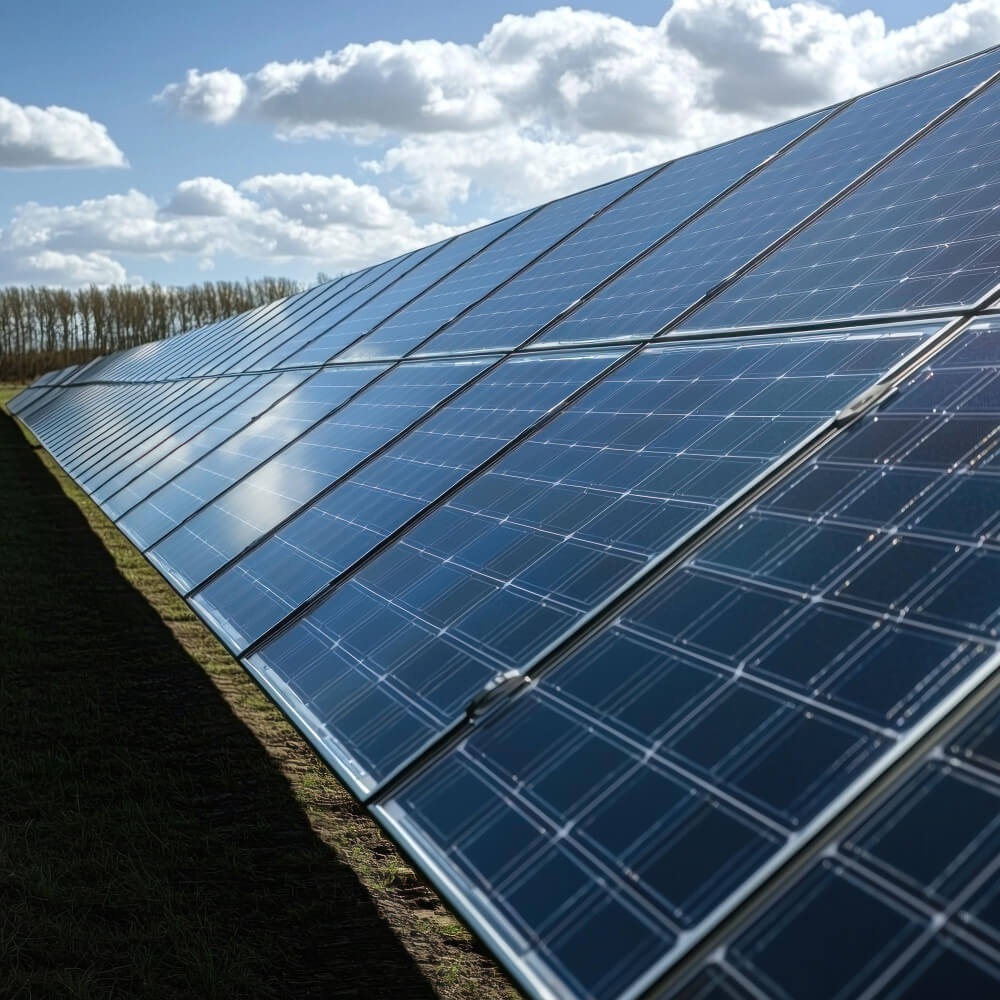
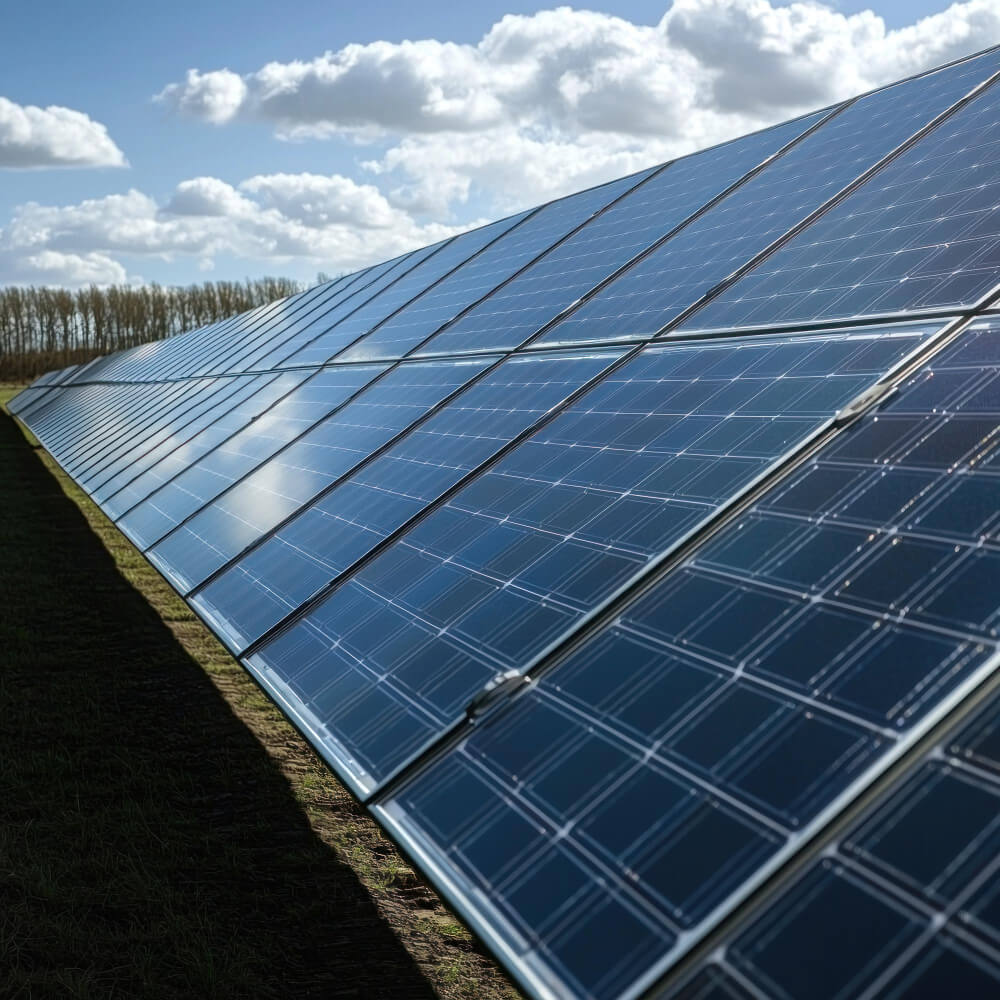
Warehouse buildings represent perhaps the perfect opportunity for commercial solar PV. With their vast, unshaded, lightweight roof structures and relatively modest internal electricity consumption, warehouses offer ideal conditions for substantial solar installations capable of generating significant electricity for years to come. At Nova Volt Solar, we've installed solar PV systems on warehouses across Greater Manchester totalling well over 5MW of capacity — equivalent to powering more than 1,500 average homes.
The economics of warehouse solar are particularly compelling. Industrial roofs that previously generated no income whatsoever can be transformed into productive energy assets generating tens or hundreds of thousands of pounds in value over their operational lifetime. Whether your warehouse is owner-occupied, leased to tenants, or held as an investment property, there are funding structures and operational models that can deliver substantial value to all stakeholders.
Why Warehouses Excel for Solar PV
Several characteristics make warehouse buildings exceptionally well-suited to solar PV installations:
Massive Available Roof Areas
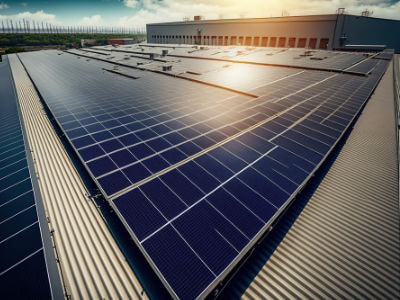
Modern distribution warehouses commonly cover 5,000 to 50,000 square metres or more. Even after allowing for rooflights, plant equipment, and access requirements, a typical 10,000m² warehouse roof can comfortably accommodate 700-1,000 kWp of solar PV — equivalent to roughly 1,800-2,500 panels. This scale enables exceptional economies, dramatically reducing the cost per installed kilowatt compared to smaller installations.
Optimal Roof Orientation
Most warehouse buildings have flat or low-slope roofs that allow solar panels to be mounted at the optimal tilt angle and orientation regardless of building orientation. We typically use ballasted east-west mounting systems for flat roofs, which require no roof penetrations and spread the system load evenly across the roof structure. East-west configurations also produce a flatter generation profile across the day, improving self-consumption for daytime-operating warehouses.
Clear Sight Lines
Warehouse roofs are typically free from the shading challenges that plague many other commercial properties. There are no surrounding tall buildings, the roof itself is uniform without complex valleys or dormers, and any HVAC equipment can usually be incorporated into the panel layout without significant generation loss. The result is a high-efficiency installation that delivers close to its theoretical maximum generation throughout its operational life.
Low Internal Demand Profile
Most warehouses have relatively modest internal electricity demand from lighting, charging systems, racking automation, and offices. While this means less of the solar generation is consumed on-site, it creates excellent opportunities for export to the grid under the Smart Export Guarantee or for grid services through battery storage and demand-side response programmes.
Engineering Considerations for Warehouse Solar
Structural Loading Assessment
The most critical engineering consideration for warehouse solar installations is structural loading. Modern lightweight industrial roofs are typically designed with limited spare load capacity, requiring careful assessment to confirm they can accept the additional weight of a solar array. Our chartered structural engineers conduct detailed assessments of every warehouse installation, considering both the dead load of the panels themselves and the live loads from wind uplift and snow accumulation.
For roofs with limited spare capacity, we use lightweight ballasted mounting systems (typically 12-18 kg/m² including panels) designed specifically for industrial applications. Where roof reinforcement is required, we work with structural engineers to design cost-effective solutions that allow the solar installation to proceed.
Roof Condition Assessment
Solar panels typically have a 25-30 year operational life, so the underlying roof needs to last at least as long. As part of our pre-installation survey, we assess the condition of the existing roof covering, insulation, and structural elements. Where the roof is approaching end-of-life, we may recommend re-roofing prior to solar installation — and many warehouse owners find that the financial returns from solar can effectively fund a comprehensive roof refurbishment.
Electrical Infrastructure
Large warehouse installations typically require dedicated electrical infrastructure separate from the building's existing supply. We design and install all aspects including string inverters or central inverters (depending on system size), AC and DC switchgear, transformers (for very large installations), and grid connection arrangements. For larger installations, we coordinate with the local distribution network operator to arrange suitable export capacity, sometimes including network reinforcement works where necessary.
Battery Storage and Demand Response
Battery storage adds significant value to warehouse solar installations by enabling time-shifting of generation, peak demand reduction, and participation in grid services markets. Industrial-scale battery systems from manufacturers including Tesla Megapack, BYD, and CATL can be specified at capacities from 100 kWh to multiple megawatt-hours, providing flexibility for diverse operational requirements.
For warehouses with significant peak demand charges (common with refrigerated facilities, automated handling equipment, and EV fleet charging), battery storage can dramatically reduce electricity costs by smoothing demand peaks. Combined with intelligent energy management systems, batteries can also participate in National Grid's Dynamic Containment, Dynamic Moderation, and other balancing services markets, generating substantial additional revenue.
EV Charging Infrastructure
The transition to electric commercial vehicles is accelerating rapidly, driven by both regulatory pressures and the strong economics of electric drivetrains for high-mileage applications. Forward-thinking warehouse operators are installing comprehensive EV charging infrastructure now to position themselves for the coming fleet electrification wave. Solar PV provides an ideal energy source for EV charging, with the temporal alignment between solar generation and daytime depot charging delivering exceptional economics.
Funding Models for Warehouse Solar
The scale of warehouse solar projects opens up funding options not available for smaller installations. Direct purchase delivers the strongest long-term returns. Asset finance allows costs to be spread with payments typically less than the savings achieved. Power Purchase Agreements provide a 'no capital required' option with discounted electricity costs from day one. Roof Lease arrangements allow third-party investors to install and operate the solar system in exchange for a lease payment to the building owner, generating income with zero capital deployment.
For multi-tenant warehouse buildings, we can structure installations to deliver value to both landlords and tenants through carefully designed Power Purchase Agreements that allocate generation and export revenues appropriately.
Talk to Our Warehouse Solar Specialists
Whether you operate a single warehouse or a portfolio of distribution facilities, our team has the experience and expertise to deliver a successful solar installation. Initial consultations are free with no obligation, and we can typically deliver an indicative feasibility assessment within 48 hours of receiving your basic building details and electricity bills. Contact us today to discuss your warehouse solar project.