Comprehensive Energy Storage Solutions for Manchester
Energy storage has emerged as the critical enabling technology for the renewable energy transition. By decoupling generation from consumption, batteries allow solar PV to deliver value far beyond the daylight hours when panels are generating. At Nova Volt Solar, we design and install integrated solar plus storage systems for homes and businesses across Greater Manchester, helping our clients maximise their self-consumption, reduce their grid dependence, and unlock additional revenue from grid services.
The economics of battery storage have transformed dramatically over the past five years. Lithium-ion battery prices have fallen by over 80% since 2010, while electricity prices have risen substantially and time-of-use tariffs have created new opportunities for arbitrage. Today's storage systems offer 10-15 year warranted lifespans with high cycle counts, sophisticated software control, and integrated monitoring that makes them genuinely 'set and forget' assets that work hard for their owners year after year.
Storage Technologies We Install
Lithium-Ion Batteries
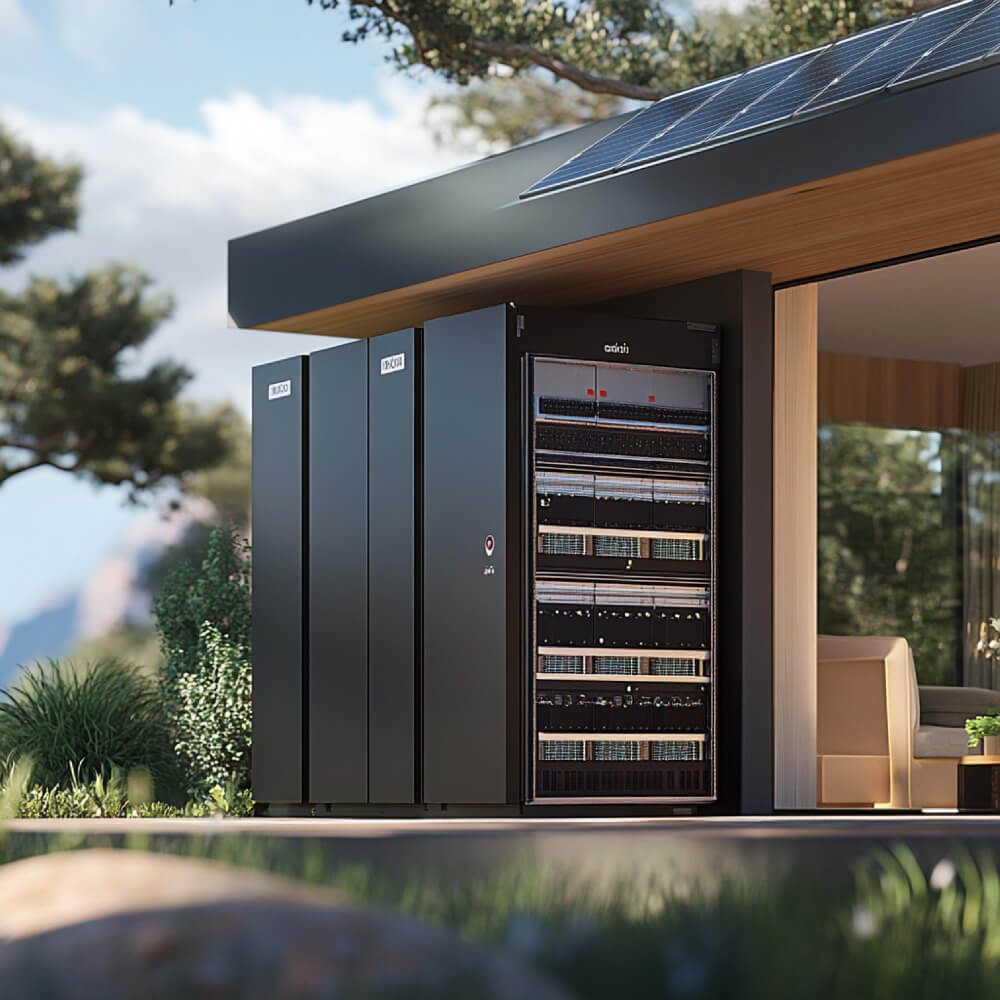
Lithium-ion technology dominates the home and commercial battery market today, offering the best combination of energy density, cycle life, efficiency, and cost. Within the lithium-ion family, lithium iron phosphate (LiFePO4 or LFP) chemistry has become the dominant choice for stationary storage applications due to its exceptional safety profile, long cycle life (typically 6,000+ cycles to 80% capacity), and stable performance across a wide temperature range. We work with all major LFP battery manufacturers including Tesla, GivEnergy, BYD, Pylontech, and CATL.
Hybrid Inverter Systems
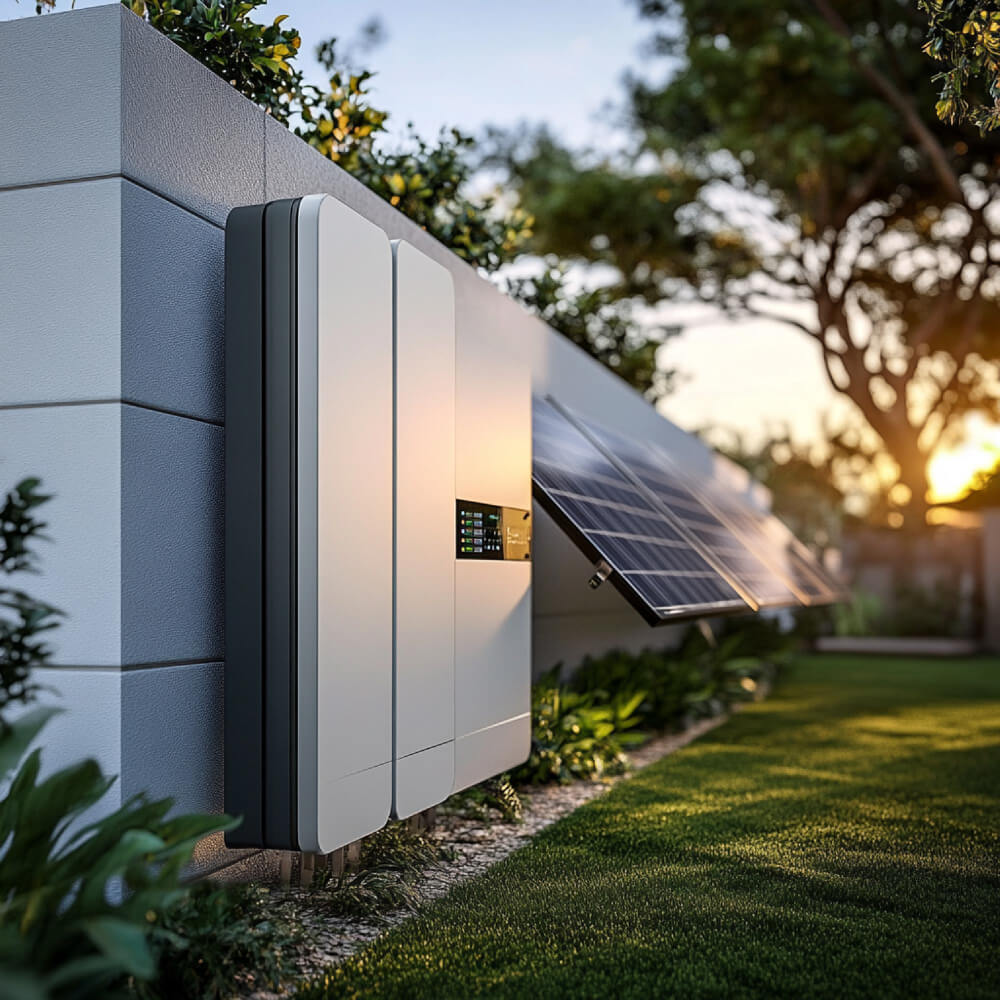
Hybrid inverters combine solar PV inversion and battery management in a single unit, simplifying installation and improving overall system efficiency. Leading hybrid inverters from manufacturers including Solis, GivEnergy, Sungrow, and SolarEdge offer integrated grid-tied operation with backup capability, meaning your essential circuits continue operating during grid outages. Hybrid systems are particularly attractive for new installations where solar and battery are commissioned together.
AC-Coupled Battery Systems
For retrofitting batteries to existing solar installations, AC-coupled systems provide the simplest installation path. These systems use a separate battery inverter that connects to the AC side of your existing solar system, requiring no modifications to your existing solar inverter or panels. AC-coupled systems are slightly less efficient than hybrid configurations but offer excellent flexibility and can be expanded as your needs grow.
Applications for Energy Storage
Maximising Solar Self-Consumption
For most residential and small commercial installations, the primary value of battery storage comes from increased solar self-consumption. Without storage, a typical UK household uses approximately 30-40% of their solar generation directly, exporting the remainder for modest SEG payments. Adding even a modest 5kWh battery typically increases self-consumption to 70-80%, dramatically improving the financial returns from the solar investment.
Time-of-Use Tariff Arbitrage
Modern smart electricity tariffs feature substantial price differences between off-peak and peak periods. Tariffs like Octopus Agile, Octopus Go, and EDF GoElectric offer overnight rates as low as 7-15p per kWh while peak rates can exceed 40p. Battery systems can charge during cheap overnight periods and discharge during expensive peak hours, delivering substantial savings even without solar PV. For solar households, this combines with self-consumption optimisation to deliver exceptional total returns.
Backup Power and Grid Resilience
Many modern battery systems can provide backup power during grid outages, automatically switching essential circuits to battery supply within milliseconds. This is particularly valuable for households with medical equipment, work-from-home professionals dependent on internet connectivity, and businesses where power loss has significant economic consequences. Tesla Powerwall, for example, includes backup capability as standard with seamless transition during grid faults.
Peak Demand Reduction for Businesses
Many commercial electricity contracts include capacity charges based on peak demand, which can represent 30-50% of total electricity costs for some businesses. Battery storage can dramatically reduce these peak demand charges by smoothing demand peaks during expensive periods. For businesses with significant peak demand exposure, battery storage often delivers payback periods of 3-5 years from peak charge reduction alone.
Grid Services and Revenue Generation
Industrial-scale battery systems can participate in National Grid's various balancing services markets, generating substantial additional revenue. Services include Dynamic Containment, Dynamic Moderation, Dynamic Regulation, and various reserve services. Combined with energy arbitrage and capacity market participation, grid-connected commercial batteries can generate £50,000-£150,000 per MWh per year of revenue, often justifying installations on financial returns alone.
System Sizing and Design
Residential System Sizing
The optimal residential battery size depends on household consumption patterns, solar system size (if applicable), electricity tariff, and goals for the installation. A battery that's too small won't capture all surplus solar generation; one that's too large won't fill regularly enough to justify its cost. For typical Manchester homes with 4kW solar systems, we usually recommend battery capacities between 5-10 kWh. Larger homes with higher consumption, or those wanting backup power capability, often benefit from 13-15 kWh systems.
Commercial System Sizing
Commercial battery sizing involves more complex analysis including peak demand profiles, time-of-use pricing structures, capacity charges, and potential grid services revenue. Our energy modelling software analyses your half-hourly consumption data to identify optimal battery capacity and operating strategies. For most commercial applications, we recommend systems sized to provide 2-4 hours of peak demand coverage, typically representing 20-50% of average daily consumption.
Installation and Commissioning
Battery storage installations require careful planning to ensure safe, reliable operation. We assess available space (typically utility rooms, garages, or dedicated outbuildings), check electrical infrastructure capacity, and confirm ventilation requirements before finalising the installation design. Most residential installations are completed in one day, while commercial installations typically take 2-5 days depending on system size and complexity.
All our installations are commissioned with full performance testing, software configuration, and integration with your existing energy management systems. We provide comprehensive training on your battery's operation and monitoring, ensuring you can get the most from your investment. Annual servicing is recommended to maintain warranty validity and optimal performance.
Safety and Standards
Modern lithium-ion batteries are remarkably safe when properly designed, installed, and maintained. We follow strict installation standards including BS 8676 (the UK's specific standard for electrical energy storage systems), MCS 005 (the MCS standard for storage installations), and IET wiring regulations. All our installers are MCS-certified for battery storage and undergo regular manufacturer training to maintain currency with the latest safety practices and product developments.
Government Incentives and VAT Relief
Domestic battery storage installations currently benefit from 0% VAT under the UK government's energy efficiency measures relief scheme, saving you 20% compared to the previous tax treatment. This applies whether you're installing battery storage alongside new solar panels or retrofitting batteries to an existing installation. We handle all the VAT documentation as part of our service.
Discuss Your Energy Storage Project
Whether you're considering battery storage for a new solar installation, retrofitting batteries to existing panels, or exploring large-scale commercial storage, our experienced team can help you identify the optimal solution. Initial consultations are completely free with no obligation. Contact us today on 0330 223 7664 to discuss your energy storage requirements.