
Comprehensive Solar Energy Audits
Solar PV systems are designed to operate reliably for 25 years or more, but many systems gradually underperform their original specifications due to factors including component degradation, soiling, shading changes, configuration drift, and undetected faults. Our solar energy audit service provides comprehensive analysis of existing solar installations, identifying performance shortfalls and recommending improvements that often deliver substantial generation increases. Whether you're a homeowner concerned about declining bill savings or a business managing a portfolio of commercial solar assets, our audit service can unlock value from your existing investment.
Solar audits are particularly valuable for systems aged 5-15 years, where components have begun to age but typically have substantial remaining life. Issues identified during audits often have high-return remediation options — replacing a single failed optimiser, cleaning heavily soiled panels, or correcting an inverter configuration error can deliver thousands of pounds in additional lifetime generation for relatively modest investment. We've conducted audits on hundreds of solar installations across Greater Manchester and consistently identify meaningful opportunities for improvement.
What Our Solar Audits Include
Performance Data Analysis
Every audit begins with detailed analysis of your system's historical performance data. We compare actual generation against original design predictions, year-on-year trends, peer system benchmarks, and theoretical maximum generation based on actual irradiance data. This analysis identifies any underperformance and provides a baseline for measuring improvements after remediation. For systems with detailed monitoring data, we can typically identify the specific underperforming strings or panels causing system shortfalls.
Visual Inspection
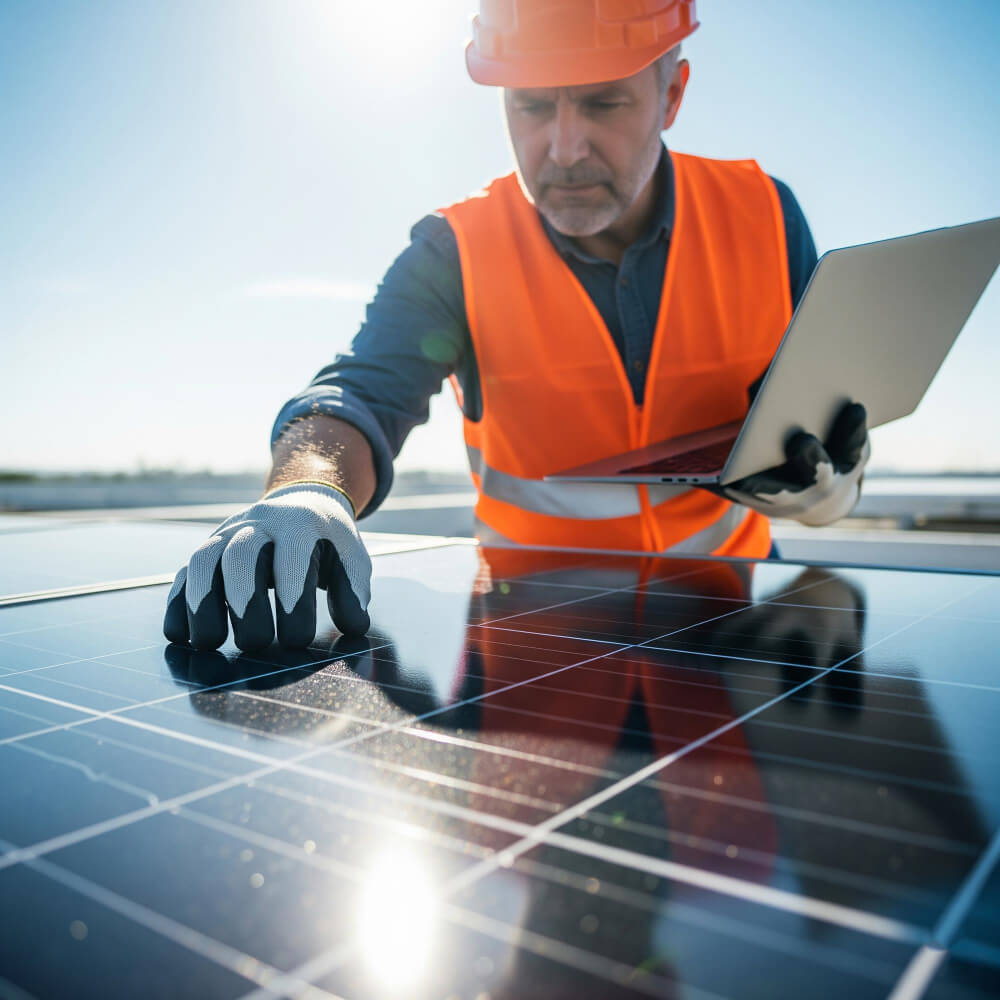
Our engineers conduct comprehensive visual inspections of every system component including solar panels (checking for hotspots, micro-cracks, snail trails, delamination, and contamination), mounting systems (checking for corrosion, loose fixings, and movement), cabling (checking for UV damage, rodent damage, and connection integrity), inverters and combiners (checking for damage, dust accumulation, and visible component issues), and earthing and bonding (visual verification of installation integrity).
Electrical Testing
Detailed electrical testing using calibrated instruments verifies system performance against design specifications. Tests typically include open-circuit voltage measurement of each string, short-circuit current measurement, individual panel current verification using clamp meters, insulation resistance testing, earth bond resistance, and functional testing of all isolators and protective devices. Test results are compared against original commissioning records (where available) and manufacturer specifications to identify any deviations.
Thermographic Imaging
Thermal imaging cameras allow us to identify hotspots and degraded cells that aren't visible to the naked eye but significantly affect generation. A properly conducted thermographic survey requires specific weather conditions (high irradiance, low wind, clear sky) and trained operators to interpret the results correctly. Our certified thermographers can typically identify underperforming panels with high accuracy, often discovering issues missed by routine maintenance inspections.
IV Curve Tracing
For systems showing substantial underperformance or for high-value commercial installations, we offer IV curve tracing of individual panels or strings. This advanced diagnostic technique characterises the electrical performance of each panel or string in detail, identifying specific failure modes including cell mismatch, partial shading, soiling, and degradation. IV curve traces support warranty claims with manufacturers and provide definitive evidence of panel condition.
Shading Analysis
Shading patterns around solar installations can change over time as trees grow, neighbouring buildings are constructed, or landscape features change. Our audit includes detailed shading analysis using either site survey measurements or drone photography combined with modelling software. Where shading has increased significantly since original installation, we can recommend mitigation strategies including tree pruning, panel relocation, or DC optimiser retrofit to recover lost generation.
Documentation Review
We review all available system documentation including original installation drawings, commissioning records, MCS certificates, monitoring access details, warranty documentation, and maintenance records. This review identifies any compliance issues and ensures you have complete documentation for any future warranty claims, system modifications, or property transactions.
Common Issues Identified by Audits
Through hundreds of audits, we've identified consistent patterns of issues that affect solar installation performance:
Soiling and Vegetation
Heavy soiling from bird droppings, lichen growth, pollen accumulation, and pollution can reduce generation by 5-25%. Many older installations have never been professionally cleaned and can benefit substantially from a thorough clean. Vegetation growth around solar panels can also create shading issues that didn't exist at original installation.
Panel-Level Failures
Individual panel failures including hotspots, snail trails, and micro-cracks affect 1-3% of panels in typical UK installations after 5-10 years. While these failures rarely cause complete system shutdown, they can substantially reduce overall generation. Many failures qualify for warranty replacement, with manufacturers supplying free replacement panels.
Inverter Issues
Inverters age gradually and may operate well below specification long before failing completely. Common issues include capacitor degradation, fan failures, communication problems, and configuration drift. Many issues can be resolved with software updates or minor repairs that are far cheaper than replacement.
Optimiser and Microinverter Failures
Systems with panel-level optimisation typically experience 1-5% optimiser failure rates over 10 years. Failed units significantly reduce string generation, often by far more than the single panel they control. Replacement is straightforward and often warranty-covered.
Connection and Cable Issues
MC4 connections can develop high resistance over time, particularly where water ingress has occurred. DC isolators frequently develop internal corrosion that increases resistance and reduces generation. Cable damage from rodents, sharp roof edges, or UV exposure can affect generation in ways that are difficult to identify without specific testing.
Audit Reports and Recommendations
Following our audit, you receive a comprehensive written report detailing all findings, identified issues, and recommended remediation actions. Each recommendation includes estimated costs, expected generation improvements, payback calculations, and prioritisation guidance. The report serves as both a diagnostic record and an action plan for system optimisation.
For most domestic systems, audits identify potential generation improvements of 10-25%, often achievable for relatively modest investment. Commercial systems frequently show even greater opportunities, particularly where original installation quality was inconsistent or maintenance has been neglected.
Discuss Your Solar Audit Requirements
Whether you suspect your solar system isn't performing as it should or you're seeking comprehensive due diligence on a portfolio of solar assets, our audit service can provide the detailed analysis you need. Initial consultations are completely free with no obligation. Contact us today on 0330 223 7664 to discuss your solar audit requirements.