Solar PV for Manchester-Area Farms
Farming has always required adaptation and resilience, with successful farmers continually finding new ways to add value, reduce costs, and diversify income streams. Solar PV represents one of the most powerful tools available to modern farms, delivering substantial benefits across all these dimensions. Whether you operate a dairy farm in the Cheshire plain, a livestock business in the Pennines, an arable operation in the lowlands, or a specialist horticultural unit, solar can transform your farm's economics and sustainability profile.
The agricultural sector across Greater Manchester and surrounding counties has embraced solar PV with enthusiasm. Farmers value solar's ability to reduce volatile electricity costs (particularly important for energy-intensive operations like dairy), generate diversification income through grid export, support carbon footprint reduction (increasingly important for supply contracts), and add value to underutilised buildings and land. Many of our farming clients describe their solar installation as the best investment they've made.
Solar Solutions for Different Farm Types
Dairy Farms
Dairy operations are particularly well-suited to solar PV due to their high, consistent daytime electricity consumption from milking machines, refrigeration, water heating, and lighting. Most dairy farms can self-consume the majority of solar generation, dramatically improving financial returns. We've installed solar systems on dairy farms throughout Cheshire, the Pennines, and the Manchester area, with sizes ranging from 30kWp to over 250kWp depending on herd size and electrical consumption.
Livestock Farms
Beef, sheep, and pig farms typically have lower electricity consumption than dairy operations, but still benefit substantially from solar. Lighting, ventilation, water pumps, and feed processing all consume electricity that solar can offset. For livestock farms, the income from grid export under the Smart Export Guarantee often provides a meaningful diversification revenue stream that helps stabilise overall farm income.
Arable Operations
Arable farms have seasonal electricity demand patterns that don't always align well with solar generation, but the substantial roof areas of grain stores, machinery sheds, and processing buildings still offer excellent solar opportunities. Many arable farmers are also installing battery storage to capture summer surplus generation for use during harvest operations and for winter grain drying.
Horticultural and Specialist Operations
Glasshouse operations, polytunnel businesses, and specialist horticultural enterprises typically have high electricity consumption from heating, lighting, and irrigation systems. Solar PV can offset substantial portions of this consumption, particularly when combined with intelligent energy management systems that schedule lighting and heating cycles to maximise solar utilisation.
Mounting Options for Agricultural Buildings
Roof-Mounted Systems on Farm Buildings
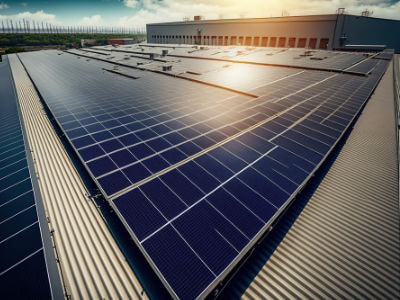
Most agricultural solar installations use roof-mounted systems on existing or new farm buildings. Modern steel-framed agricultural buildings with profile metal roofs are ideal candidates, with structural calculations typically confirming substantial spare load capacity for solar PV. Older barn conversions and traditional buildings may require more careful structural assessment, but successful installations are usually achievable. We work with all common agricultural building types and have particular expertise with cattle sheds, machinery stores, grain silos, and slurry stores.
Ground-Mounted Solar
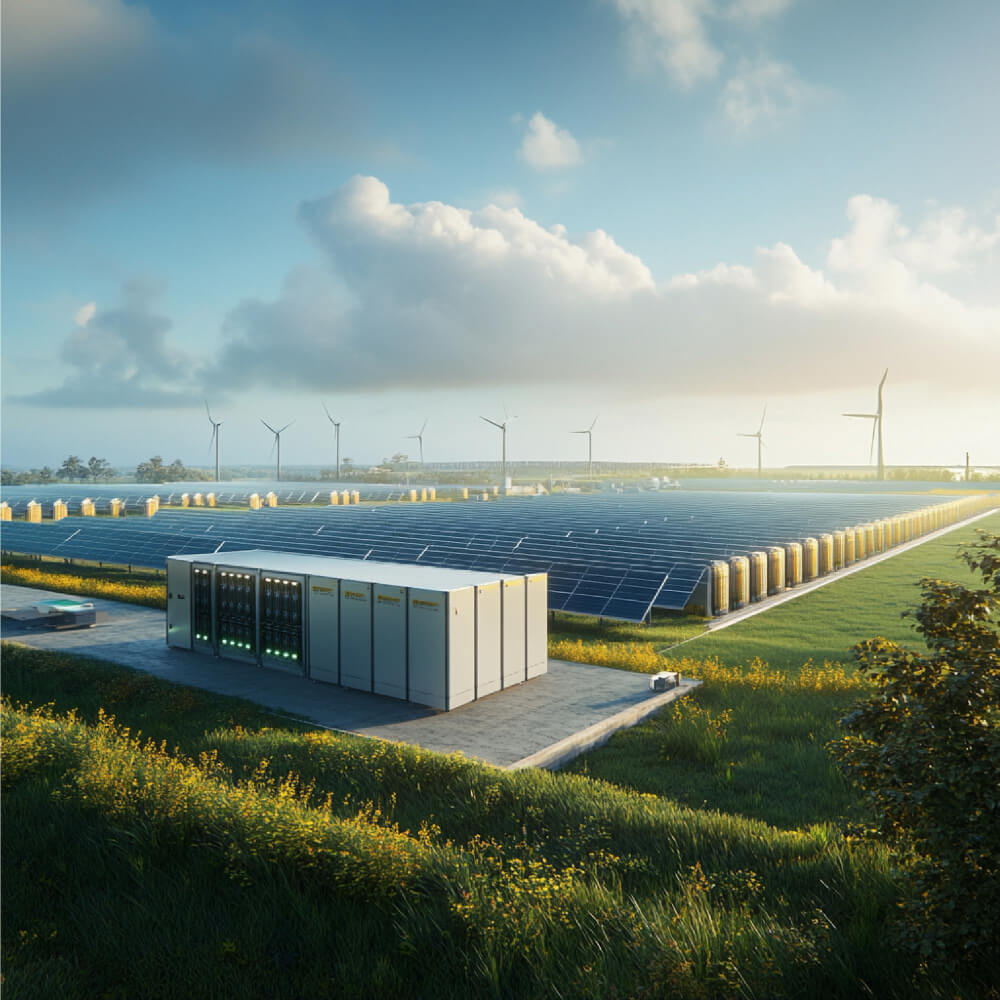
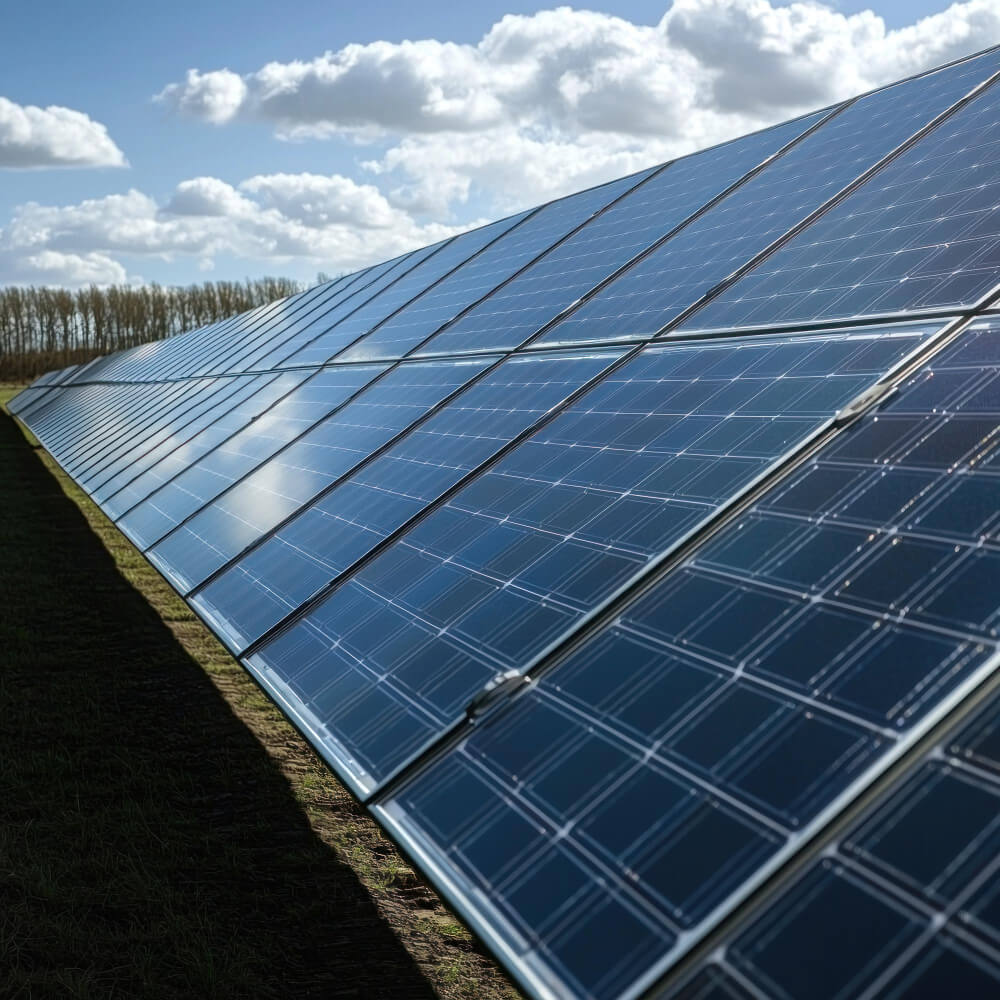
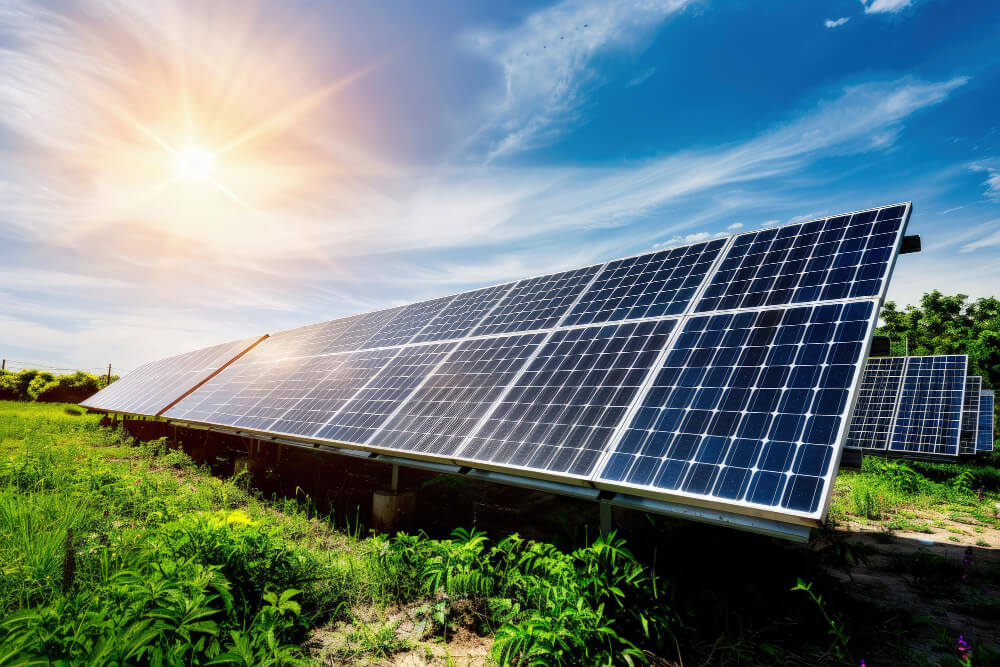
For farms with available land that doesn't suit other agricultural uses, ground-mounted solar arrays can deliver substantial generation. Ground-mounted systems offer optimal panel orientation and tilt, typically generating 10-15% more electricity per installed kilowatt than roof systems. Modern ground-mounted designs allow continued agricultural use of the underlying land for sheep grazing or pollinator-friendly meadows, providing dual benefits from a single area.
Solar Carports and Canopies
Solar canopies over outdoor areas including machinery parking, livestock walkways, or processing zones can deliver dual benefits — protecting expensive equipment or improving animal welfare while generating substantial solar electricity overhead. These installations often qualify as 'permitted development' under agricultural rules and can be installed without formal planning permission.
Battery Storage for Farming Operations
Battery storage adds particular value for farming operations due to the often substantial difference between daytime electricity demand and overnight or early-morning peak loads. Dairy farms with early-morning milking can charge batteries from solar during the day for use during milking the following morning. Arable farms can store summer surplus for winter operations. Livestock farms can use battery storage to provide backup power for ventilation and heating systems, protecting animal welfare during grid outages.
Many farming operations also benefit from off-grid or grid-tied-with-backup configurations that provide complete independence from grid reliability concerns. This is particularly valuable for remote farms where grid power can be unreliable, or for operations where power loss has serious economic or animal welfare consequences.
Planning Permission for Agricultural Solar
Most rooftop solar installations on agricultural buildings benefit from permitted development rights and don't require formal planning permission. Ground-mounted installations typically require planning permission, with the application process usually taking 8-12 weeks. We have extensive experience with agricultural solar planning applications and can handle the entire process on your behalf, including preparation of design and access statements, environmental assessments, and consultation responses.
Larger ground-mounted installations may require Environmental Impact Assessment (EIA) screening, particularly in sensitive areas including National Parks, Areas of Outstanding Natural Beauty, or near designated heritage assets. Our planning consultants can advise on the likely planning pathway for your specific site early in the project development process.
Funding and Financial Returns
Agricultural solar installations qualify for full capital allowances under the Annual Investment Allowance, allowing the system cost to be written off against taxable farm profits in the first year. Combined with ongoing electricity savings and grid export revenue, total returns are typically excellent — payback periods of 5-7 years are common, with subsequent decades of essentially free generation.
For farms with limited capital, asset finance and Power Purchase Agreement options provide alternatives that deliver immediate benefits without upfront investment. Many of our agricultural clients have used solar installations to support broader farm investment programmes, including new buildings, equipment, and infrastructure improvements funded by the additional cash flow generated by solar.
Discuss Your Farm Solar Project
Our agricultural solar specialists understand the unique characteristics of farming businesses and the practical realities of installing solar on working farms. We work flexibly around your operational requirements — whether that means working around lambing seasons, harvest operations, or peak production periods. Initial consultations and feasibility assessments are completely free with no obligation. Contact us today on 0330 223 7664 to discuss how solar could transform your farming business.