Project Summary
Client: Confidential Creative Agency, Manchester
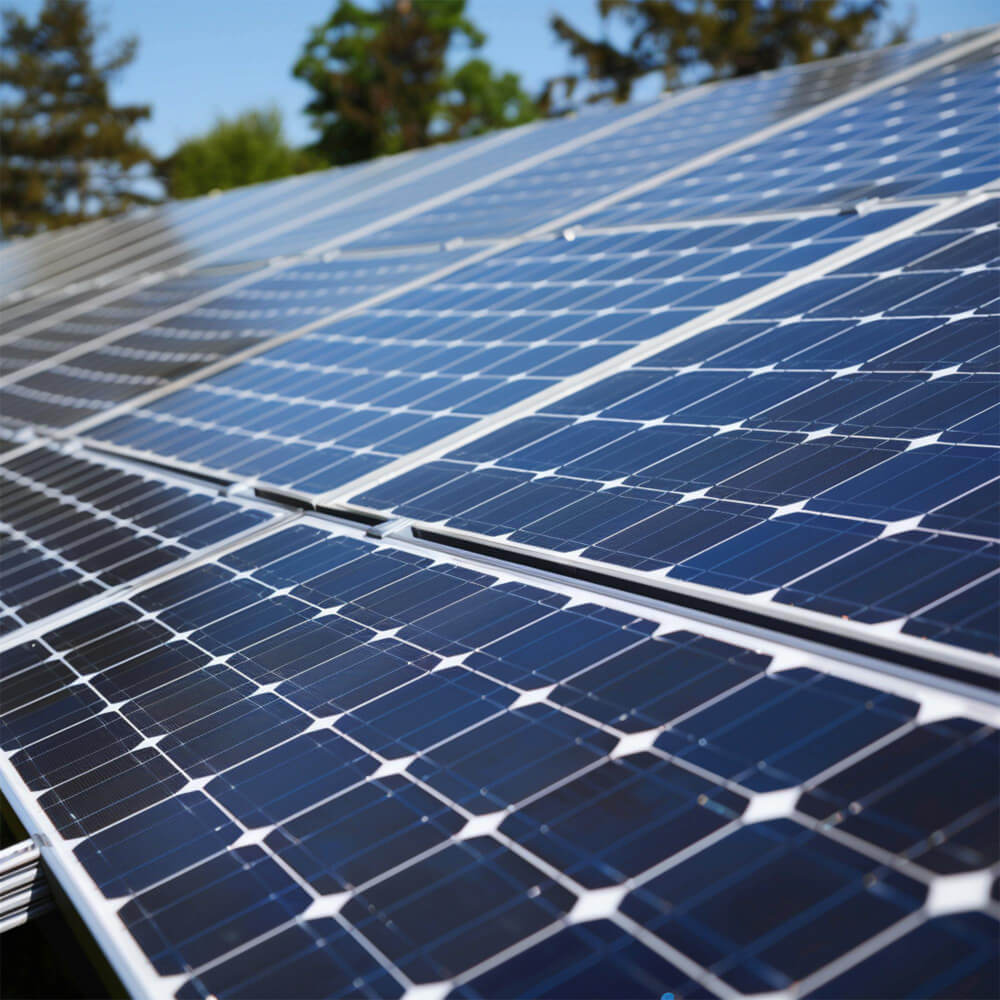
System: 45kWp solar PV with all-black premium panels
Completion: Spring 2024
Annual Savings: £12,500
CO2 Reduction: 8 tonnes per year
The Challenge
Our client operates a successful creative agency from a beautifully converted Victorian warehouse in Manchester's Northern Quarter. The Grade II listed building, originally a textile warehouse dating from the 1860s, had been sympathetically converted to provide modern office accommodation while preserving its distinctive heritage character. The agency occupied four floors providing workspace for approximately 60 staff, with substantial electrical demand from computing equipment, lighting, HVAC, and a small commercial kitchen used for staff meals and client entertaining.
Annual electricity consumption of approximately 195,000 kWh was costing the agency around £55,000 per year. The leadership team wanted to reduce this cost while supporting the agency's brand position as a sustainable creative business. Several major clients had begun including sustainability requirements in their tender processes, and the leadership team wanted to demonstrate genuine environmental commitment rather than corporate greenwashing. However, the property's listed status meant that any solar installation would face significant heritage and planning challenges.
Our Solution
The most critical aspect of this project was navigating the heritage and planning constraints. The building's Grade II listed status meant that any visible alterations required listed building consent, while the Northern Quarter's status as a conservation area added additional requirements. Our planning consultants worked closely with Manchester City Council's conservation team and English Heritage to develop a solution that would be acceptable from a heritage perspective while delivering meaningful renewable generation.
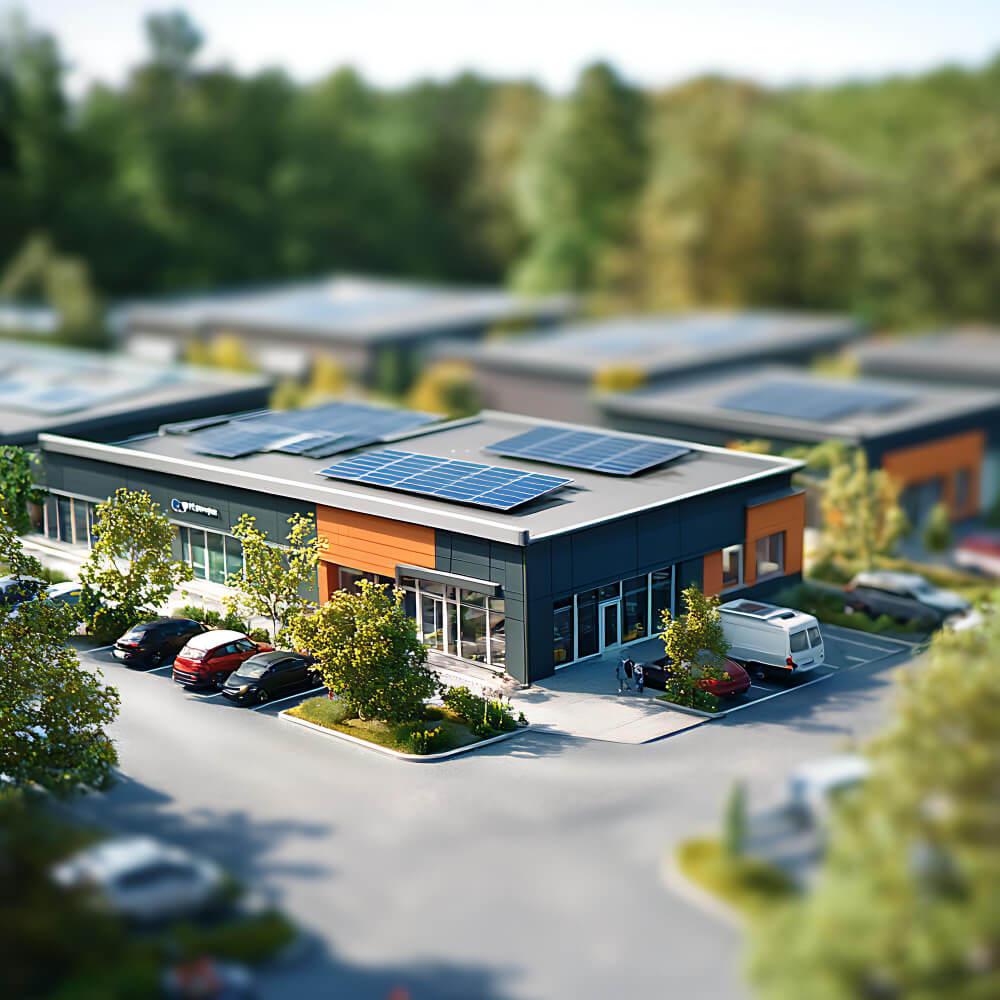
The agreed solution focused on the building's flat roof area, which is largely invisible from street level and could accommodate solar panels without affecting the building's heritage character. We designed a 45 kWp installation using 110 premium all-black REC Alpha panels in a ballasted east-west configuration. The panels were specifically chosen for their appearance — even though largely invisible from public views, the all-black aesthetic ensures the installation looks well-designed and intentional from any vantage points where it can be seen.
The electrical installation required careful integration with the building's existing infrastructure, which had been sympathetically updated during the conversion to modern offices. Our designers worked with the building's M&E consultants to integrate the solar circuits with the existing distribution system without compromising the building's listed status or its modern operational requirements.
Heritage and Planning Process
The planning and listed building consent process took approximately six months from initial consultation to formal approval. Significant elements included heritage impact assessment commissioned from a chartered conservation specialist, design and access statement detailing the proposed installation and justifying its appropriateness, photomontages showing the panels' appearance from various vantage points (confirming they would not be visible from any public viewpoints), liaison with Historic England and Manchester City Council's heritage team, and formal listed building consent and planning permission applications.
The application was approved with conditions requiring use of specific panel types, careful detailing around heritage roof features, and ongoing maintenance provisions. The conservation officer specifically commented that this was an example of how solar PV could be successfully integrated with heritage buildings when proper care was taken with design and approach.
Implementation
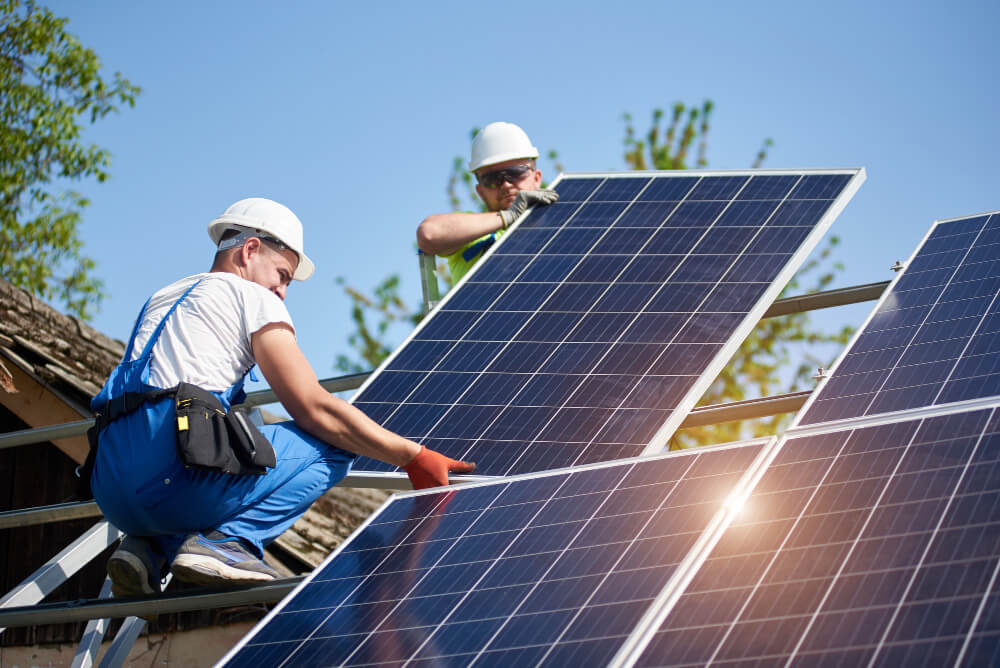
The installation was completed over two weeks during the agency's quieter summer period, minimising disruption to client work. Significant project elements included scaffold erection with appropriate heritage protection, installation of ballasted mounting systems suitable for the Victorian roof structure, panel installation in optimised east-west arrays, electrical infrastructure including a new solar supply panel in the electrical riser, integration with the building's BMS for energy monitoring, and detailed photographic documentation for the heritage record.
Results and Performance
The system has been operating for approximately ten months at time of writing, with performance in line with predictions despite the heritage constraints on system orientation and tilt angles. Annual generation is projected at approximately 38,000 kWh, displacing approximately 20% of the agency's electricity consumption. Combined with corporate income tax benefits, the post-tax payback period is approximately seven years.
The reputational benefits have been particularly significant. The agency has incorporated the solar installation into client presentations and pitch documents, demonstrating tangible commitment to sustainability. The story of successfully installing solar on a Grade II listed building has been featured in industry publications and on the agency's social media channels, generating positive PR and reinforcing the brand's sustainability credentials.
Client Feedback
"Working with Nova Volt on this project has been outstanding. They understood the heritage challenges from the start and developed a solution that worked for our building, our conservation officer, and our business objectives. The system performs well, looks great where it's visible, and supports our brand position with key clients. We'd recommend them to any business considering solar on a heritage property." — Operations Director (anonymous), Northern Quarter Creative Agency