Project Summary
Client: Greenhalgh Family Farm, Bury
System: 120kWp solar PV with 50kWh battery storage
Completion: Autumn 2023
Annual Savings: £28,000
CO2 Reduction: 21 tonnes per year
The Challenge
The Greenhalgh family have farmed their land near Bury for four generations, with the current operation comprising 280 dairy cattle producing milk for a major UK supermarket supply contract. The dairy operation requires substantial electrical infrastructure — milking parlours operate twice daily, cooled bulk tanks store the milk, water heating provides hot water for cleaning, and ventilation and lighting systems maintain animal welfare standards. Annual electricity consumption of approximately 280,000 kWh was costing the farm £80,000 per year by 2023.
Energy price volatility had become a major concern for the family's business. Dairy farming margins are typically tight, with energy costs representing a significant portion of variable operating costs. The supermarket supply contract included strict price-setting mechanisms that didn't allow for easy pass-through of energy cost increases, putting pressure on farm profitability during periods of high energy prices. Additionally, the supermarket had recently introduced sustainability requirements including measurable progress on Scope 2 emissions reduction.
Our Solution
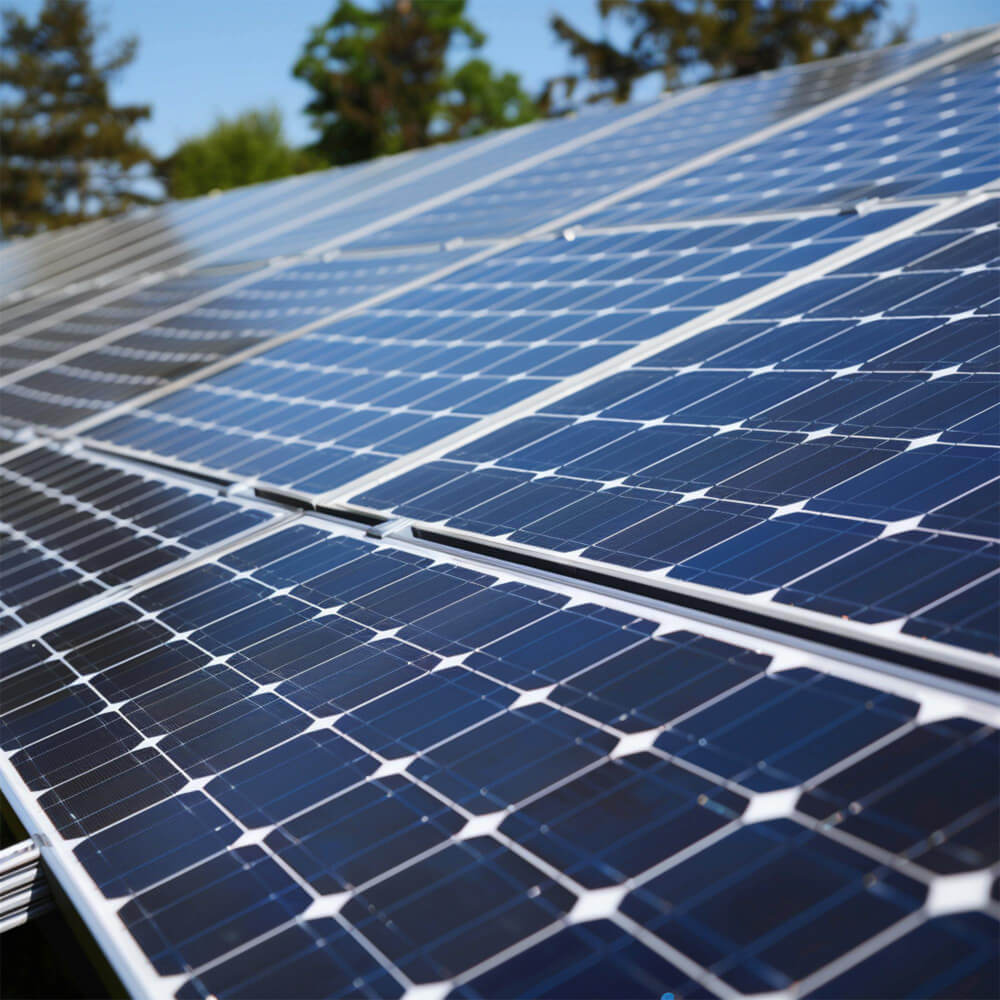
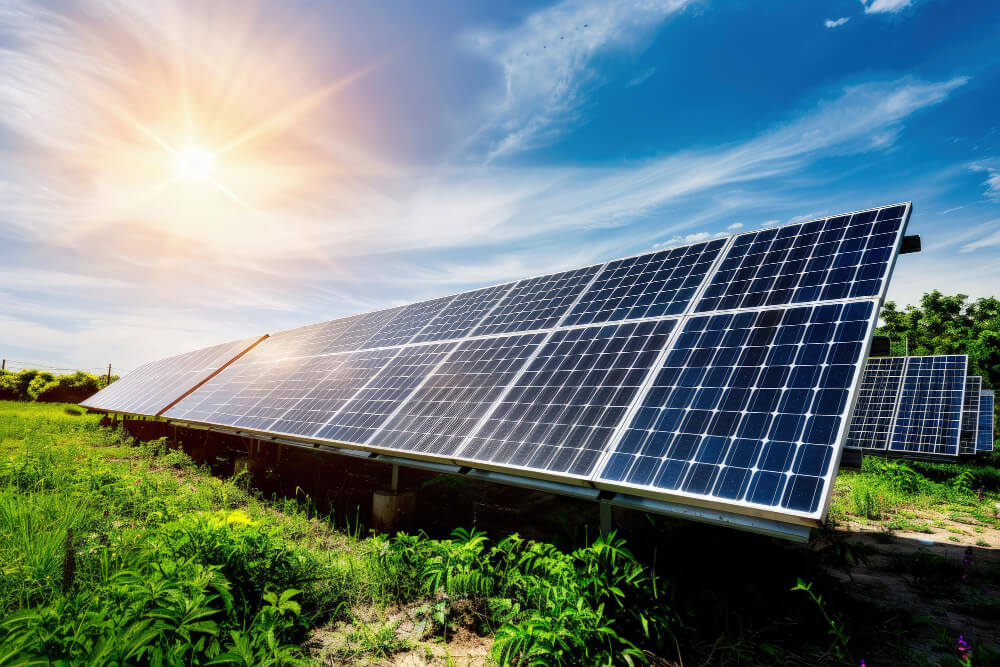
The farm's substantial agricultural buildings provided excellent opportunities for solar PV. We designed a 120 kWp installation distributed across three buildings: the main milking parlour, a livestock shed, and a machinery store. This distributed approach maximised the use of available roof space while spreading generation across multiple electrical connection points, simplifying the grid connection process.
For battery storage, we specified a 50 kWh GivEnergy commercial battery system. This provides substantial capacity to capture daytime solar surplus for use during the early morning and evening milking sessions, dramatically improving solar self-consumption from approximately 55% (without storage) to over 85% (with storage). The battery system also provides backup power for the milking parlour and bulk tank refrigeration, addressing previous concerns about grid outages threatening milk quality and animal welfare.
The system was designed to maximise the financial benefits available to agricultural businesses. Capital allowances under the Annual Investment Allowance allowed the entire system cost to be written off against farm profits in the year of installation, dramatically improving cash payback. The installation also qualified for additional benefits under the National Grid's Demand Side Response programmes, providing further revenue from grid services participation.
Implementation
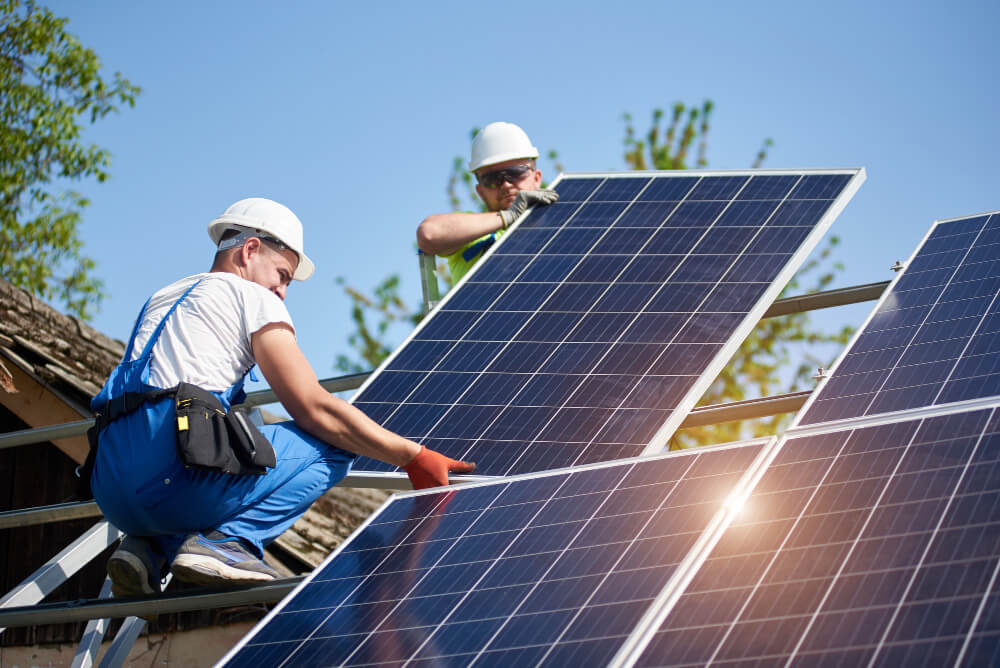
The installation was completed over three weeks, with our team working flexibly around the farm's operational schedule including the twice-daily milking sessions. Significant project elements included structural assessment of all three buildings, panel installation across the three roof areas with appropriate consideration for livestock building ventilation requirements, electrical infrastructure including a dedicated solar/battery supply panel, battery installation in a secure dedicated equipment room, and integration with the farm's existing electrical infrastructure.
One particular challenge was working around the livestock buildings without disturbing the dairy herd. Our team adopted strict protocols including limiting noise during sensitive periods, working in dedicated zones with appropriate barriers, and coordinating with the farm team to ensure animal welfare was maintained throughout the installation.
Results and Performance
The system has been operating for approximately fourteen months at time of writing, with performance exceeding our predictions. First-year generation reached 102,000 kWh against a predicted 95,000 kWh, with self-consumption at 88% — even higher than our 85% prediction due to the family's effective management of variable loads to coincide with solar generation.
Annual savings have been £28,000, comprising direct electricity bill reductions, SEG export revenues for the modest surplus, and capacity charge reductions on the farm's electricity contract. Combined with the capital allowances tax savings, the system will achieve full payback in approximately 4.5 years — substantially better than our original 6-year projection.
The sustainability impact has been equally significant. The 21 tonnes per year of CO2 emissions reduction has been incorporated into the farm's reporting to its supermarket customer, supporting continued contract renewal and the family's commitment to sustainable farming practices. The visible solar installation has also become a talking point with farm visitors, including school groups who tour the farm as part of educational visits.
Client Feedback
"Solar has been a game-changer for our farm. The financial savings have been substantial, but equally important has been the protection from energy price volatility and the credibility with our supermarket customer. Nova Volt understood the specific requirements of working on a operational dairy farm and delivered the project with minimum disruption to our operations. We'd recommend them to any farming business considering solar." — John Greenhalgh, Greenhalgh Family Farm